
Chute Cleaning Liverpool
Chute Cleaning Liverpool
Affordable garbage, recycling and linen chute cleaning across Liverpool and the south-west - plus the practical prevention work that stops the same blockage happening again next month.
Most Liverpool buildings don't have a cleaning problem so much as a repeat-blockage problem. We clean the shaft properly, then tell you exactly what's causing the blockages and what would stop them — because a building that blocks four times a year is paying far more than a building that blocks once.
10+ Years Chute Specialists
Fully Insured — Public Liability
Hospital-Grade, Eco-Friendly Products
Written Report After Every Job
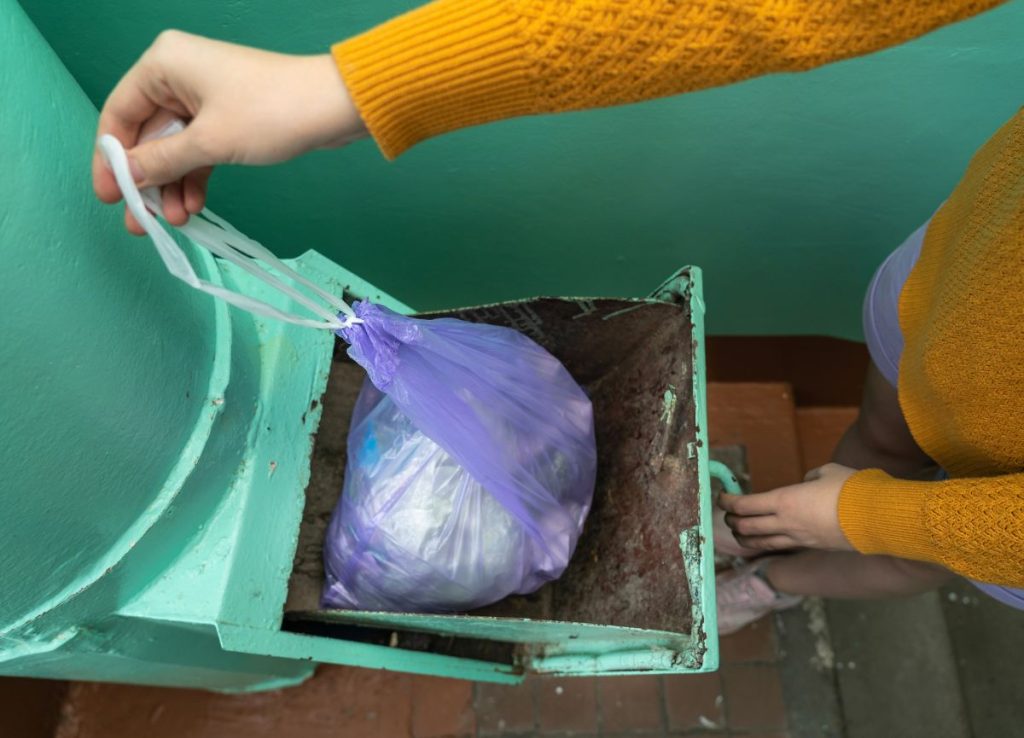
Garbage Chute Cleaning in Liverpool
Sydney Chute Services cleans garbage, recycling and linen chutes throughout Liverpool and the surrounding south-west — including Liverpool, Casula, Moorebank, Warwick Farm, Lurnea, Prestons, Chipping Norton, Hoxton Park, Green Valley, Miller, Cartwright and Middleton Grange.
A standard clean runs the full shaft from the top hopper to the discharge point above your waste room. The interior is pressure-washed and degreased, every hopper door on every floor is cleaned individually, the discharge area is cleared, and the system is sanitised with hospital-grade disinfectant and deodorised. Most Liverpool buildings are completed in a single visit of two to five hours, and you receive before-and-after photographs plus a written service record for your maintenance file.
Where we clear a blockage, we also tell you what caused it and where in the shaft it formed — because that’s the information that stops it recurring. Quotes are fixed, written, and free to provide.
Why Liverpool Chutes Block More Often - And What Actually Fixes It
Liverpool is a substantial apartment market. At the 2021 census, 65.0% of Liverpool’s occupied dwellings were flats or apartments – 7,081 of them – in a suburb of 31,078 people with a median age of 34. It’s a young, dense, urban centre with a major hospital, a growing CBD and a large body of mid-rise residential stock.
But the number that actually explains what we find in Liverpool shafts is the tenure figure: 61.4% of occupied dwellings were rented. That’s roughly double the New South Wales rate, and it means the population inside any given building changes frequently.
Turnover breaks the chain of knowledge
Here’s the mechanism, and it has nothing to do with any resident being careless.
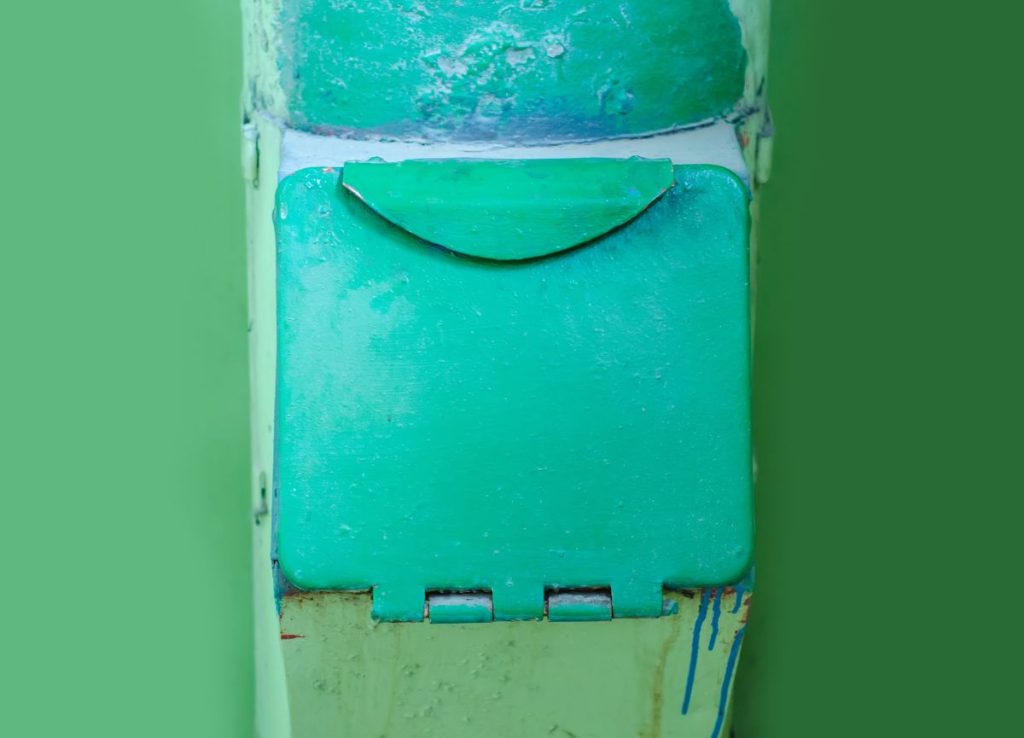
A chute has rules. Bag your waste. Nothing bulky. No cardboard boxes. No liquids in open containers. Recyclables in the recycling chute, not the garbage chute. Those rules are not obvious — they’re learned, usually from a notice on the wall or from whoever showed you the building.
In a building where a substantial share of residents move in and out every year or two, nobody is ever told. A new tenant arrives, finds a hatch in the wall, and reasonably assumes it takes rubbish. A flattened moving box goes down it on day one. That’s not misuse in any meaningful sense — it’s a building that never explained itself.
And most Liverpool buildings explain themselves in one language
This is the part that almost every strata committee has overlooked. In Liverpool, only 24.6% of residents speak English only at home. The most commonly spoken languages other than English are Arabic (19.2%), Serbian (6.5%), Vietnamese (4.4%), Hindi (3.2%) and Urdu (2.4%) — and that’s before the long tail.
A single English-language sign above a hopper door, in small type, is therefore not reaching most of the building. The failure is in the signage, not the residents. A building that communicates in the languages its residents actually read gets dramatically better chute discipline — and we’ve seen exactly that happen in buildings that made the change.
Bulky items are the main blockage cause
Flattened cardboard, pizza boxes, polystyrene, small furniture, bagged bulky waste. These wedge across the shaft, then everything above them backs up. It's the single most common cause of a Liverpool blockage and it's almost entirely preventable with clear instruction.
Unbagged and liquid waste drives the odour
Loose waste and open liquids coat the shaft wall on the way down. That residue is what produces corridor odour and what feeds pests, and it means a shaft needs cleaning more often than a building where waste is reliably bagged.
Recyclables in the wrong chute
Buildings with two chutes get cross-contamination when residents don't know which is which — usually because the labelling assumes knowledge and a shared language. It creates blockages in one and contamination charges in the other.
The health precinct
Liverpool Hospital anchors a major health precinct, and the surrounding healthcare, aged care and medical buildings have linen chutes as well as garbage chutes. These need antibacterial and antifungal treatment rather than degreasing, and documentation an infection-control audit will accept. We handle them as a distinct service.
Affordable Chute Cleaning in Liverpool — Stop Paying for the Same Blockage
Here’s where the money actually goes in a Liverpool building. It isn’t the scheduled cleans — those are predictable. It’s the emergency call-outs between them. A building that blocks four times a year pays for four urgent attendances at urgent-attendance rates, plus the resident complaints in between. Reduce the blockages and the annual cost falls without anyone accepting a lower standard.
We tell you what caused the blockage
Not just “it's cleared”. What the obstruction was, where in the shaft it formed, and whether it's likely to recur. That's the information a committee needs to act on.
Multilingual signage advice
Hopper-door signage that residents can actually read is the cheapest chute intervention available to a Liverpool building. We'll tell you what it should say and which languages your building needs.
A fixed written quote before we start
Based on height, chute count, hopper door numbers and shaft condition. That's what you pay — no variations after the fact.
No charge to quote
No site visit fee, no callout fee, no obligation.
Both chutes in one visit
General waste and recycling cleaned on the same mobilisation and quoted together.
We tell you when you don't need us
If your shaft is in good condition we'll put you on a longer cycle and say why. Our most common feedback from strata managers is that we don't upsell.
Check what your building actually spent
Do the arithmetic on your building. Add up what you spent on chute work last financial year and separate the scheduled cleans from the emergency attendances. If the emergencies cost more than the cleans, the problem your building has is prevention, not cleaning — and that is a much cheaper problem to fix.
Liverpool Buildings We Clean
| What We Provide | Why It Matters |
|---|---|
| We tell you what caused the blockage | Not just “it's cleared”. What the obstruction was, where in the shaft it formed, and whether it's likely to recur. That's the information a committee needs to act on. |
| Multilingual signage advice | Hopper-door signage that residents can actually read is the cheapest chute intervention available to a Liverpool building. We'll tell you what it should say and which languages your building needs. |
| A fixed written quote before we start | Based on height, chute count, hopper door numbers and shaft condition. That's what you pay — no variations after the fact. |
| No charge to quote | No site visit fee, no callout fee, no obligation. |
| Both chutes in one visit | General waste and recycling cleaned on the same mobilisation and quoted together. |
| We tell you when you don't need us | If your shaft is in good condition we'll put you on a longer cycle and say why. Our most common feedback from strata managers is that we don't upsell. |
Do the arithmetic on your building. Add up what you spent on chute work last financial year and separate the scheduled cleans from the emergency attendances. If the emergencies cost more than the cleans, the problem your building has is prevention, not cleaning — and that is a much cheaper problem to fix.
Compliance for Liverpool Owners Corporations
Under section 106 of the Strata Schemes Management Act 2015 (NSW), an owners corporation has a continuing duty to keep common property in good and serviceable repair. Your chute is common property, and a chute that blocks repeatedly and produces persistent odour is a maintenance issue, not a resident issue — the duty sits with the owners corporation regardless of what caused the blockage.
The fire-rated components inside your shaft — hopper doors, dampers, fusible links, sprinkler heads — generally appear on your building’s Fire Safety Schedule. Since 13 February 2026 those measures must be maintained in line with AS 1851-2012, with servicing records kept on site in a prescribed format for at least seven years and reviewed by an accredited practitioner before your Annual Fire Safety Statement can be lodged.
Worth noting: repeated blockages put mechanical stress on hopper doors and can damage dampers. A building with a blockage history has a stronger reason to check its fire-rated components, not a weaker one.
Every clean comes with photographs and a written service record. Read our full guide to NSW chute compliance
How Often Should a Liverpool Chute Be Cleaned?
Every three months is the standard Sydney residential baseline. In Liverpool the driver is usually occupancy turnover rather than building height:
- Standard mid-rise residential — quarterly
- High-turnover rental buildings — every 6–10 weeks
- Buildings with a blockage history — quarterly at minimum, plus prevention work
- Social and affordable housing — every 6–8 weeks
- Student and shared accommodation — every 4–8 weeks
- Aged care and healthcare (garbage) — monthly; (linen) — monthly minimum
- Commercial buildings — every 3–6 months
If your building is blocking between scheduled cleans, shortening the interval is only half the answer. The other half is making sure residents know what the chute takes. See the full frequency guide.
Signs a Liverpool Chute Needs Attention
- Blockages more than twice a year
- The same blockage recurring within weeks of being cleared
- Cardboard, polystyrene or bulky items visible at a hopper opening
- Corridor odour rather than only waste-room odour
- Unbagged waste visible in the discharge area
- Recyclables turning up in the general waste chute, or vice versa
- Hopper doors that stick, slam or no longer seal — often blockage damage
- Flies, cockroaches or rodent activity around hoppers or the bin room
- English-only chute signage in a building where most residents speak another language at home
- No record of a professional clean in the last twelve months
Chute Cleaning Across Liverpool and the South-West
Also servicing Fairfield, Cabramatta, Bankstown and the wider south-west. Quotes usually go out the same day.
Why South-West Buildings Choose Us
Chutes are all we do
Not a general cleaning company with a chute line item. Ten-plus years specialising in exactly one thing.
We actually come out here
Macarthur is inside our service area, not an exception to it. No surcharge, no waiting for us to have another job nearby.
Fully insured and documented
Public liability cover, hospital-grade eco-friendly products safe for residents and pets, and a written record after every visit.
Chute Cleaning Liverpool — Common Questions
Our chute blocks every couple of months. Is that normal?
It's common in high-turnover buildings, but it isn't something you have to accept. Repeated blockages usually trace to bulky items — flattened cardboard is the classic — going down a shaft by residents who were never told not to. Cleaning clears it. Clear signage and a proper induction for new tenants is what stops it coming back.
What's the cheapest way to reduce our chute costs?
Almost always prevention. Emergency attendances cost more than scheduled cleans, so a building that blocks four times a year spends far more than a building that blocks once. Better hopper-door signage is the lowest-cost intervention available and it usually pays for itself within a year.
Most of our residents don't read English. What should our signage say?
Start with clear visual instructions: simple icons showing bagged waste, no cardboard and no bulky items. Then translate the short instructions into the languages residents in your building actually use. Ask your building manager which languages would make the signs most useful.
Can you clear a blockage as well as clean?
Yes. Where a blockage is present we clear it as part of the visit where we can, and we tell you what it was and where in the shaft it formed. If clearing it requires work beyond the scope of the clean, that's quoted separately with a priority rating rather than added to your invoice after the fact.
Do you clean linen chutes for hospitals and aged care?
Yes, as a distinct service. Linen chutes carry fabric fibres, skin cells and bodily fluids rather than food waste, so they need antibacterial and antifungal treatment rather than degreasing, with written records suitable for infection-control and compliance files.
Will residents lose chute access all day?
The chute is out of use during the clean — typically two to five hours in a single visit for most Liverpool buildings. We notify building management in advance so notices can go up. Nobody needs to be home and we don't enter any apartment.
How quickly can you get to Liverpool?
Quotes usually go out the same day. For urgent issues — a full blockage, a serious odour complaint or a pest problem — we aim to be on site within 24 hours.
Get an Affordable Chute Cleaning Quote in Liverpool
Tell us your building height, chute count and access requirements. We will confirm the service scope, availability and total price in writing.
Sydney Chute Services — Garbage, recycling and linen chute cleaning across Sydney and the south-west.